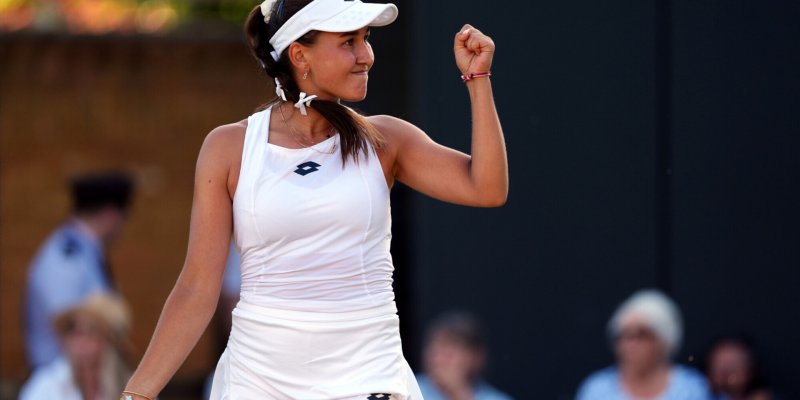


If you open the latest WTA rankings and compare them with Uzbekistan’s national pecking order, one detail jumps out immediately: the country’s top-ranked tennis players haven’t been in that role for long. In just a few months, the federation assembled the backbone of the women’s squad through switches from other jurisdictions — primarily from Russia. This isn’t a one-off story, but a very recognizable strategy that Uzbekistan’s neighbors have already tried in the region.
Who Became the New Leaders and How Fast the Top Has Been Rebuilt
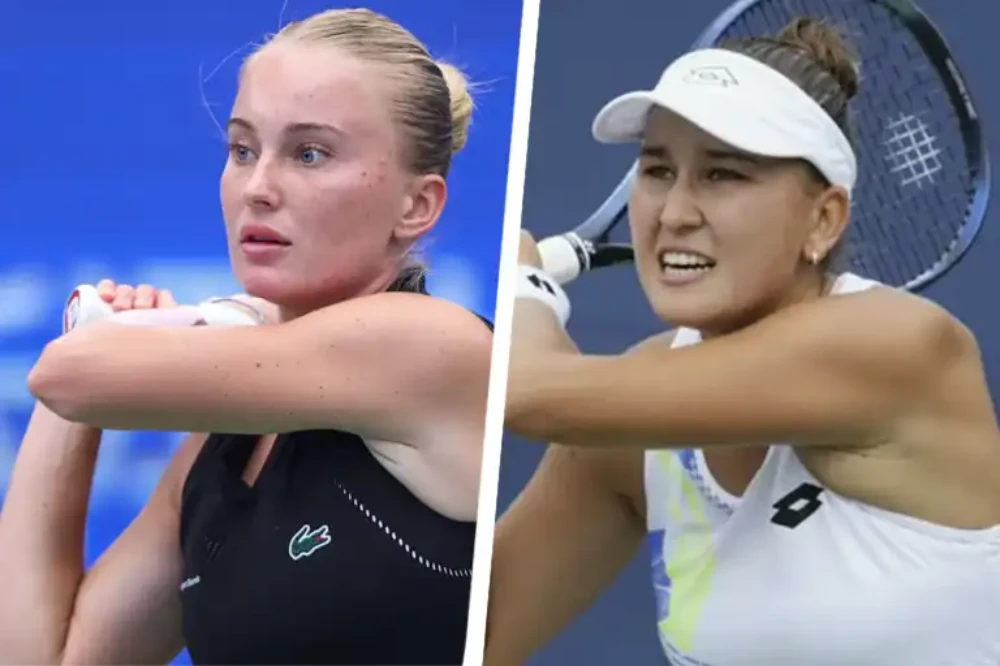
Right now, the top spots on Uzbekistan’s list are held by:
- Kamilla Rakhimova (around the WTA top 100) — switch finalized in early December;
- Polina Kudermetova (also around the top 100) — mid-December;
- Maria Timofeeva (second tier, closer to the top 150) — October;
- Laima Vladson (well outside the top 1,000) — November.
Rakhimova, Kudermetova, and Timofeeva previously competed for Russia (Vladson played for Latvia). At the same time, 15-year-old Alexandra Barmicheva also changed citizenship in November. In effect, Uzbekistan’s women’s tennis “upper tier” has been rebuilt almost from scratch within a single season.
Why Naturalization Isn’t a Whim, but a Growth Strategy
The logic of this approach is straightforward and pragmatic. You naturalize talented players who haven’t fully broken through yet, provide them with resources and development opportunities — and, over time, you end up with established top-level athletes. They can strengthen the national team for the Billie Jean King Cup and other major events. Then the showcase effect kicks in: once results are visible, parents and kids take notice, more young talent comes into the sport, and eventually you can grow home-developed top players.
But there’s a crucial caveat: it’s an expensive model. Passports alone won’t do the job — you need budgets for coaching teams, medical and performance support, tournament schedules, logistics, training camps, and, most importantly, infrastructure and junior development programs.
Where the Money Comes From: Uzbekistan’s Version of the “Kazakhstan Playbook”
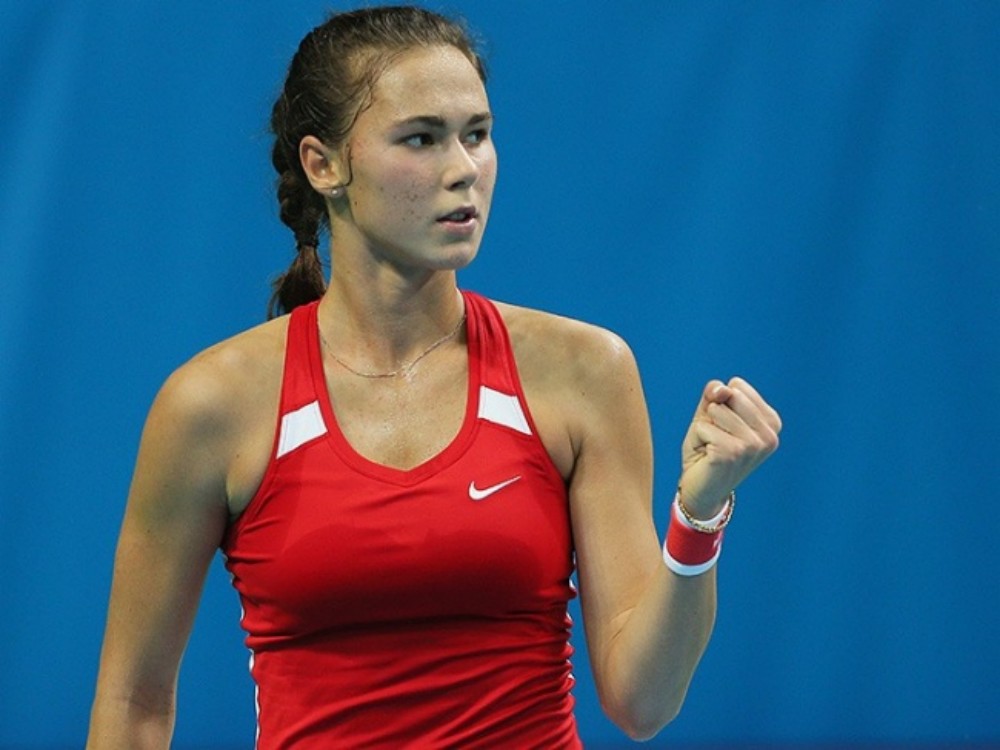
Kazakhstan once followed a similar path: the bet on naturalization was backed by serious investment and strong influence inside the federation. In Uzbekistan, judging by the pace of the switches, a comparable source of resources appears to have emerged as well.
Former tennis player Natalya Vikhlyantseva explained the surge this way: after recent legislative changes, many wealthy people were able to return to the country, and active funding of sports federations began — as a visible element of patronage and philanthropy. In other words, it’s not only about sporting motivation, but also about a new system of support for federations.
Who Runs the Federation and Why It’s Surrounded by Influential Figures
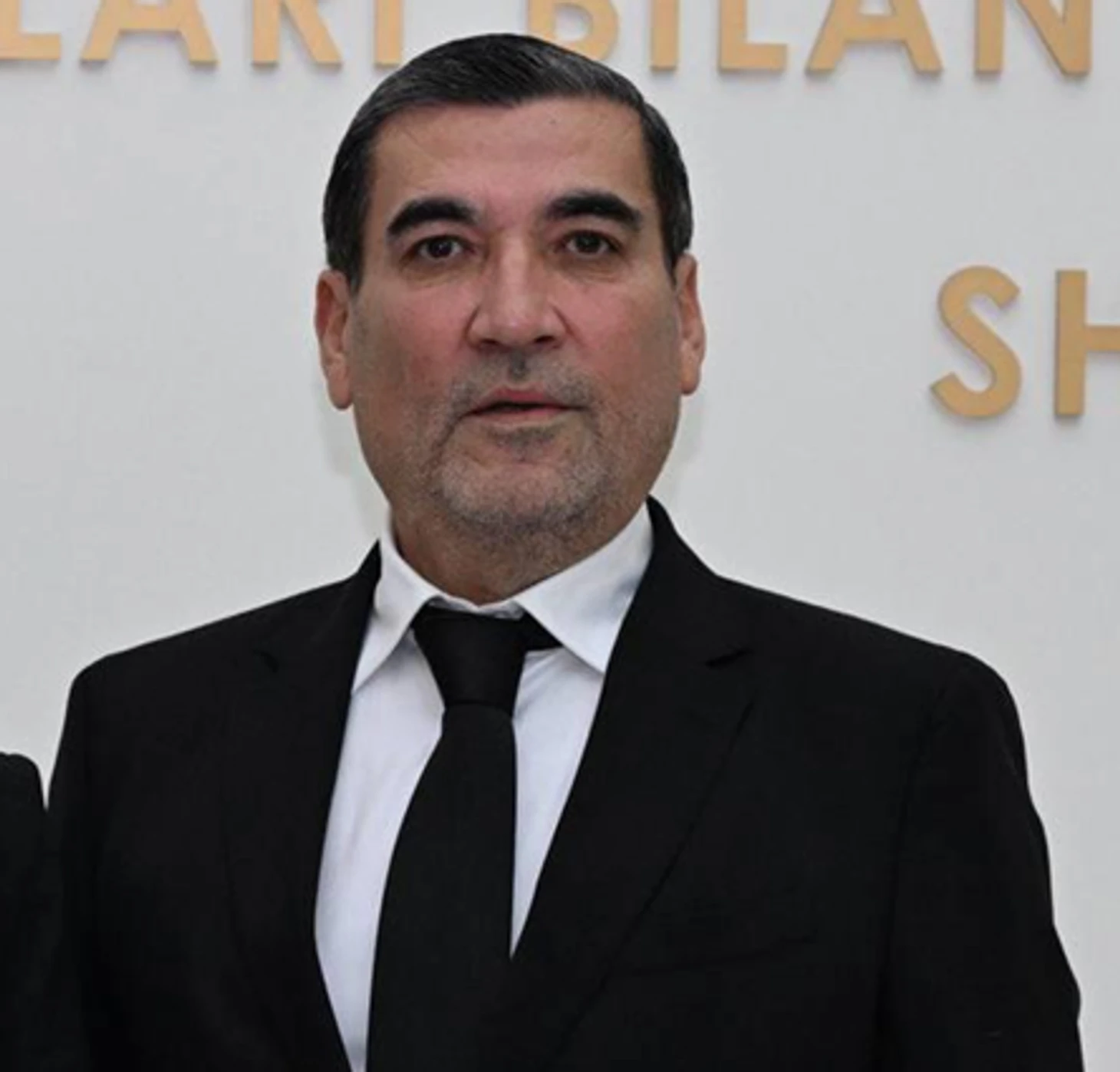
In February 2025, Uzbekistan’s tennis federation was headed by businessman Batyr Rakhimov. In the public record, his biography is multi-layered: ventures in the extraction sector, the launch of one of Uzbekistan’s largest private banks (“Kapitalbank”), and a group of companies spanning finance, insurance, consumer services, food products, and construction. His name has also been tied to sports assets — one cited example being the “Pakhtakor” football club. There have been controversial episodes as well — from a brief arrest in 2010 to years spent abroad and disputed stories in Turkey.
Another angle that draws attention is a family connection: Rakhimov is married to Diera Usmanova, who has family links intersecting with the circle around Uzbekistan’s current president, Shavkat Mirziyoyev.
What matters most is less the past than the current configuration: this year, an influential team has taken shape inside the federation’s leadership. One deputy chair is Zelimkhan Khaydarov, who previously headed the administration of Uzbekistan’s first president, Islam Karimov, and later oversaw the financial sector within Mirziyoyev’s administration. Other deputies include former officials from the State Committee for Investments — Numan Sattarov and Aziz Khamidov. And finally, the sporting flagship is Iroda Tulyaganova, a winner of seven WTA titles (three in singles and four in doubles).
What the Goals Are and What Could Come Next
The official message is predictable: strengthen the national team and prepare for major international events. Commenting on Polina Kudermetova’s switch, the Uzbekistan Tennis Federation called it an important step in developing women’s tennis in the country and reinforcing the national team ahead of big starts. Given how systematically these moves are unfolding, this likely isn’t the last such step.
Fast Results Today, a Long Reform Tomorrow
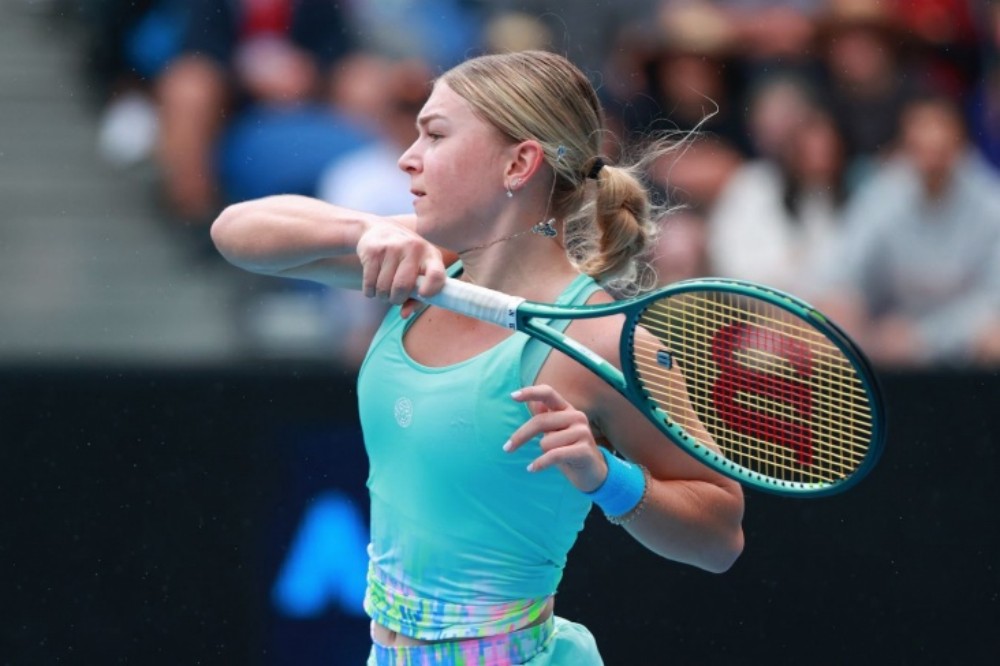
Naturalization delivers immediate impact: rankings rise, the team looks more competitive, and the federation gains visibility and reasons for optimism. But the real test comes later — when one-off transfers must be turned into a sustainable system: academies, coaching expertise, junior tournaments, smart talent identification, and a clear pathway “from a kids’ court to the WTA Tour.” If Uzbekistan can go the distance, today’s switches will become more than a headline — they could mark the start of a full-fledged tennis ecosystem inside the country.